AI Agents Blogs
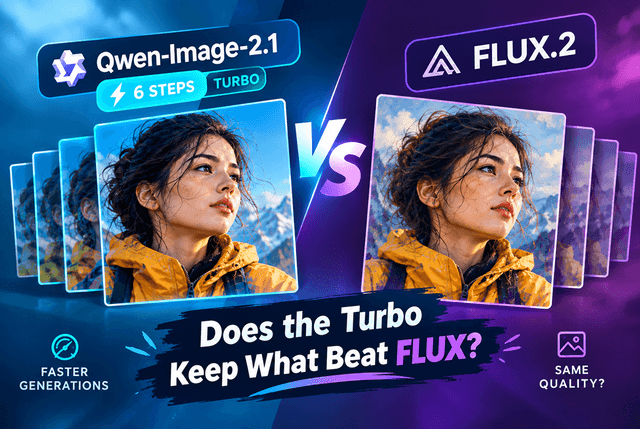
Qwen-Image-2.1 at 6 steps: does the turbo keep what beat FLUX?
A sequel to Qwen-Image-2.1 vs FLUX.2 Klein — full capability matrix. Same prompts, same seeds, same scoring rubric. This post covers only what changed. 14.7 s per image at 8 steps (11.3 s at 6), vs 47–54 s for base Qwen 4.52 overall score at 8 steps (4.46 at 6), vs 4.45 base and 4.19 […]
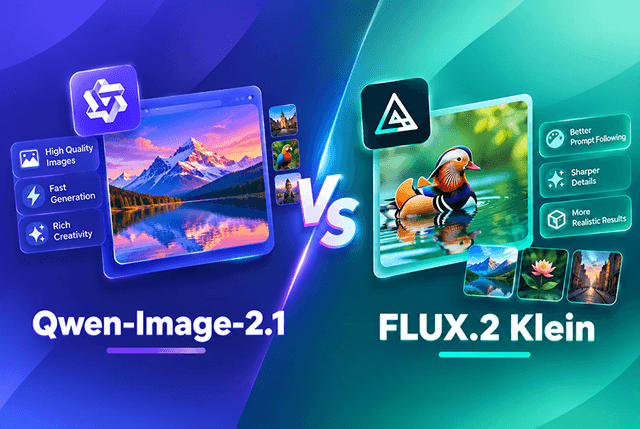
Qwen-Image-2.1 vs FLUX.2 Klein
Two models, identical prompts, ten capability categories. One is a 7B research-licensed model running 40 bf16 steps on a DGX Spark; the other a 9B non-commercial model running 4 MLX steps on a Mac. This is what happened when we asked both to do the same jobs. Qwen-Image-2.1 7B 4.49 out of 5 · wins […]
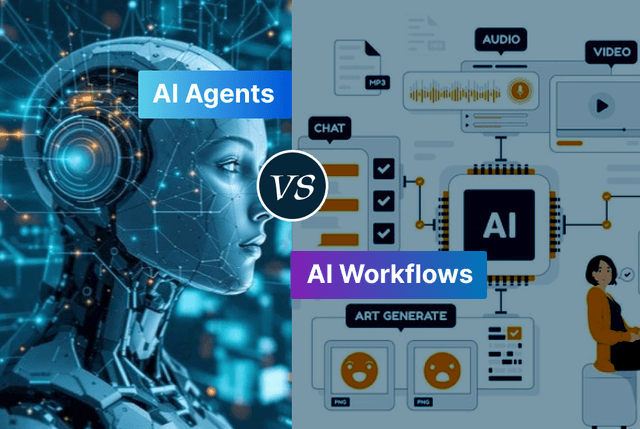
AI Agents vs. AI Workflows: Understanding the Future of Autonomous Business Intelligence
Introduction: The Autonomous AI Revolution is Here The artificial intelligence landscape is experiencing a fundamental shift. While traditional AI workflows have automated countless business processes, a new paradigm is emerging—one that promises true autonomy and intelligent decision-making without constant human oversight. Agentic AI represents this evolution: autonomous systems capable of planning, reasoning, and executing complex […]
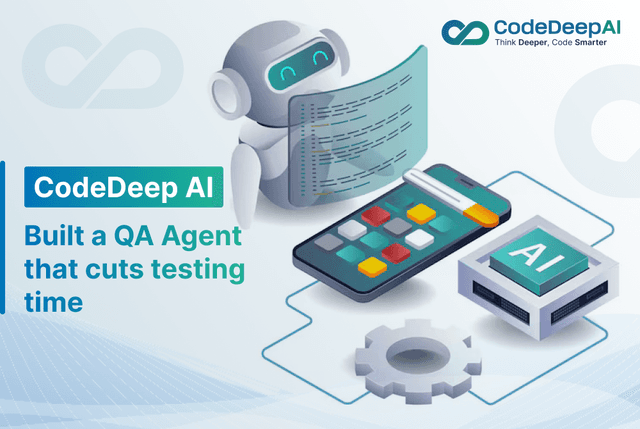
AI-Powered Testing Revolution: How CodeDeep AI Built an Intelligent QA Agent That Cuts Regression Cycles from Days to Minutes
Introduction What if your QA team could test an entire web application using plain English commands—no hard-coded selectors, no brittle automation scripts, and no days spent debugging flaky tests? At CodeDeep AI, we’ve transformed this vision into reality. Our AI-powered testing agent performs comprehensive end-to-end functional tests on any web application using natural language instructions, […]
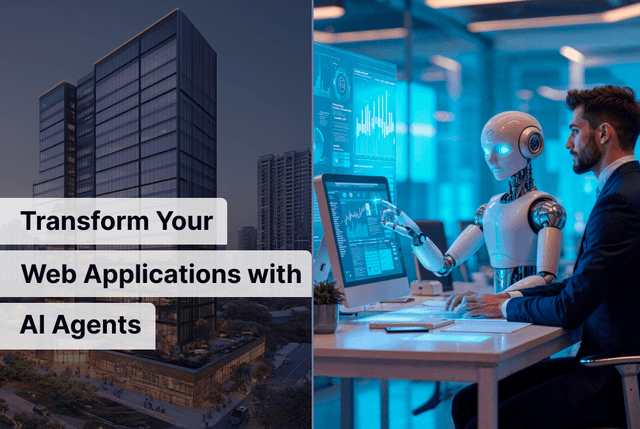
Transform Your Web Applications with AI Agents: The Future of User Interaction is Here
Introduction: Why Every Web Application Needs an AI Agent The way users interact with web applications is undergoing a fundamental transformation. As businesses scale and web applications become more complex, users increasingly struggle with navigation, data discovery, and task completion. What if your users could simply tell your application what they need—in any language, through […]